Installing Fire Alarm Systems in Bangkok: Key Considerations


Understanding Bangkok's Regulatory Requirements
When installing fire alarm systems in Bangkok, it's crucial to adhere to the local regulatory requirements. The city has specific codes and standards that must be followed to ensure safety and compliance. Understanding these regulations can prevent potential legal issues and fines. Engage with local authorities or a professional service to ensure that your installation meets the necessary standards.

Choosing the Right Fire Alarm System
Selecting the appropriate fire alarm system for your property is essential. Consider factors such as the size of your building, the number of occupants, and specific risks associated with your location. There are various options available, from traditional smoke detectors to more advanced systems with integrated features. Consulting with a fire safety expert can help in making an informed decision.
Furthermore, look for systems that are scalable and can be easily upgraded. This flexibility allows for future expansion or technological advancements without needing a complete overhaul.
Installation Process and Considerations
The installation process of a fire alarm system involves several steps, from initial planning to final testing. It's advisable to work with certified professionals who have experience in the Bangkok area. They will be familiar with local building layouts and potential challenges.
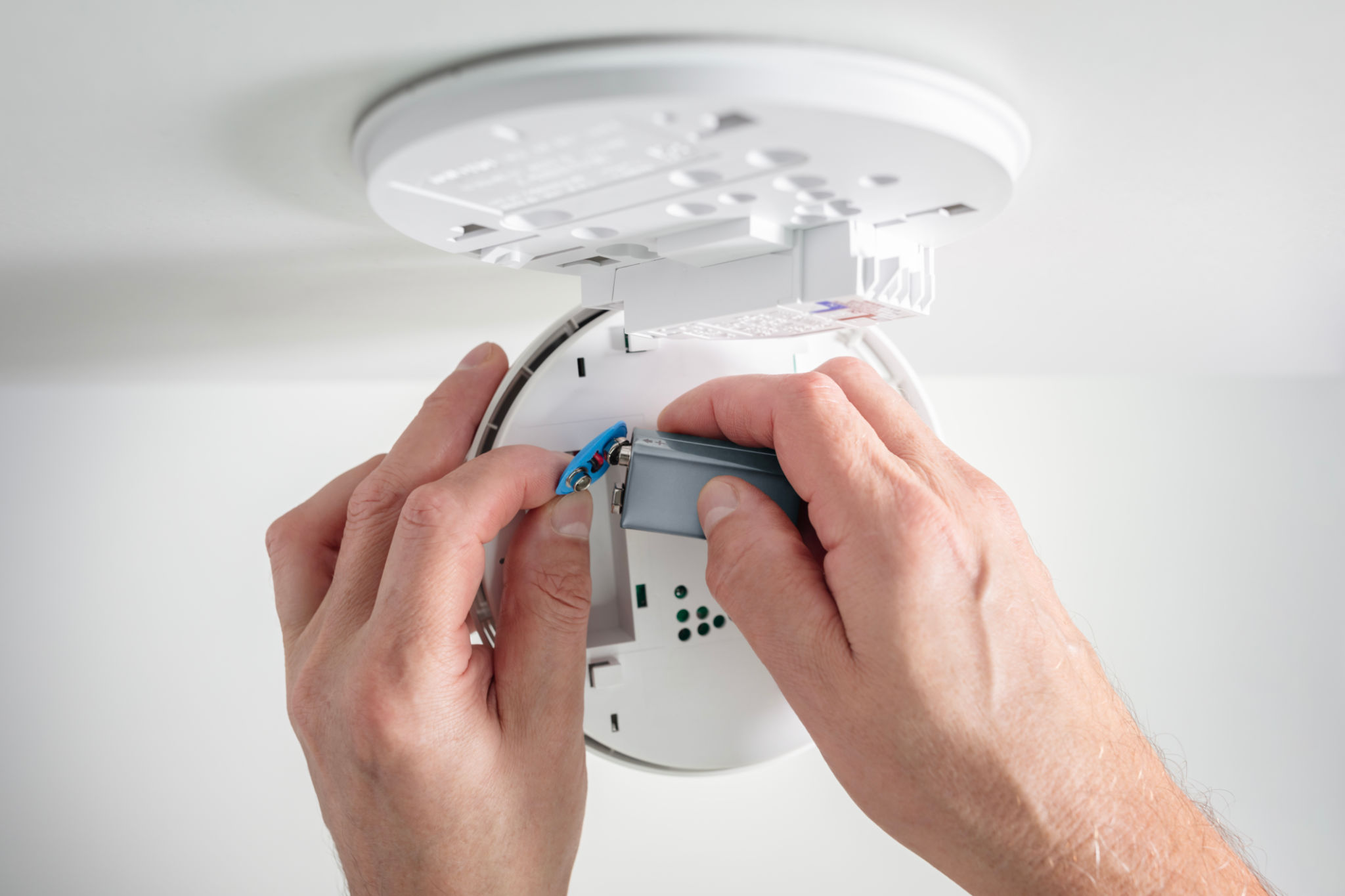
During installation, ensure that all components are correctly placed and that the system is fully functional. Regular maintenance checks should be scheduled to keep the system in optimal condition and to address any issues promptly.
Maintenance and Testing
Once your fire alarm system is installed, regular maintenance is key to ensuring its effectiveness. Establish a routine schedule for testing the system, replacing batteries, and checking for any faults. In Bangkok, the humid climate can affect electronic components, so regular inspections are particularly important.
- Test alarms weekly to ensure functionality.
- Schedule professional inspections annually.
- Replace any faulty components immediately.

Training and Awareness
Having a fire alarm system is only part of the safety equation. It's equally important to train building occupants on how to respond in an emergency. Conduct regular fire drills and ensure everyone knows the evacuation routes and assembly points.
Additionally, provide clear instructions on how to operate the fire alarm system and what steps to take if an alarm is triggered. This awareness can save lives and minimize confusion during an actual emergency.
Integration with Other Safety Systems
Consider integrating your fire alarm system with other safety systems, such as sprinklers and emergency lighting. This integrated approach enhances overall safety by providing a comprehensive response to fire incidents. Modern systems often offer smart technology solutions, allowing for remote monitoring and control.
By linking these systems, you can ensure a coordinated response that maximizes protection for both property and occupants.